
- #2
- Clicks
Main images that earn the click
How to stand out within Amazon's requirements
Your main image is the only visual shoppers see in search results. Its entire job is to make shoppers want to click your product among countless competitors.
A half-second contest
A single screen of search results shows dozens of products at once. Shoppers scroll past each image in less than a second and stop only on images that give them a reason to. Click-through rate doesn't end at the click. Amazon's algorithm factors click and conversion signals into rankings, so a main image that doesn't get clicked drags down your search ranking too. That's why the same product can see very different ad efficiency depending on a single main image.
It's also why Amazon enforces its requirements most strictly here. Breaking them can limit your visibility.
- Pure white background
- Product fills at least 85% of the frame
- No text, logos or props
Within these rules, you compete on angle, composition and staging that makes the product look bigger.
Breaking the rules, on the other hand, is costly. Amazon can restrict search visibility for non-compliant images or suppress the listing altogether. There's no more painful failure than content you worked hard on going unseen because of a spec violation.
A staging checklist to raise click-through rate
As long as you stay within the requirements, there are variables that make the same product more clickable.
- Fill the frame. When your product looks small in a thumbnail of the same size, it loses presence. Filling at least 85% of the frame is both a rule and a strategy.
- Use an angle with depth. A three-quarter angle often conveys a product's form better than a flat front view. Studying the angles of top listings in your category is the fastest shortcut.
- Turn on zoom. When an image's longest side is 1,000px or more, the zoom feature is enabled on the product page. Shoppers who zoom in on a product are more likely to buy, so it pays to prepare high-resolution images.
- Check that the form reads in one image. Even scaled down to thumbnail size, it should be immediately clear what you're selling. Fine texture details are the gallery's job.
And a main image isn't something you set once and forget. The same product can earn different click-through rates depending on how it's staged, so what top listings have in common is that they prepare variations with different strategies, compare performance and keep swapping them out.
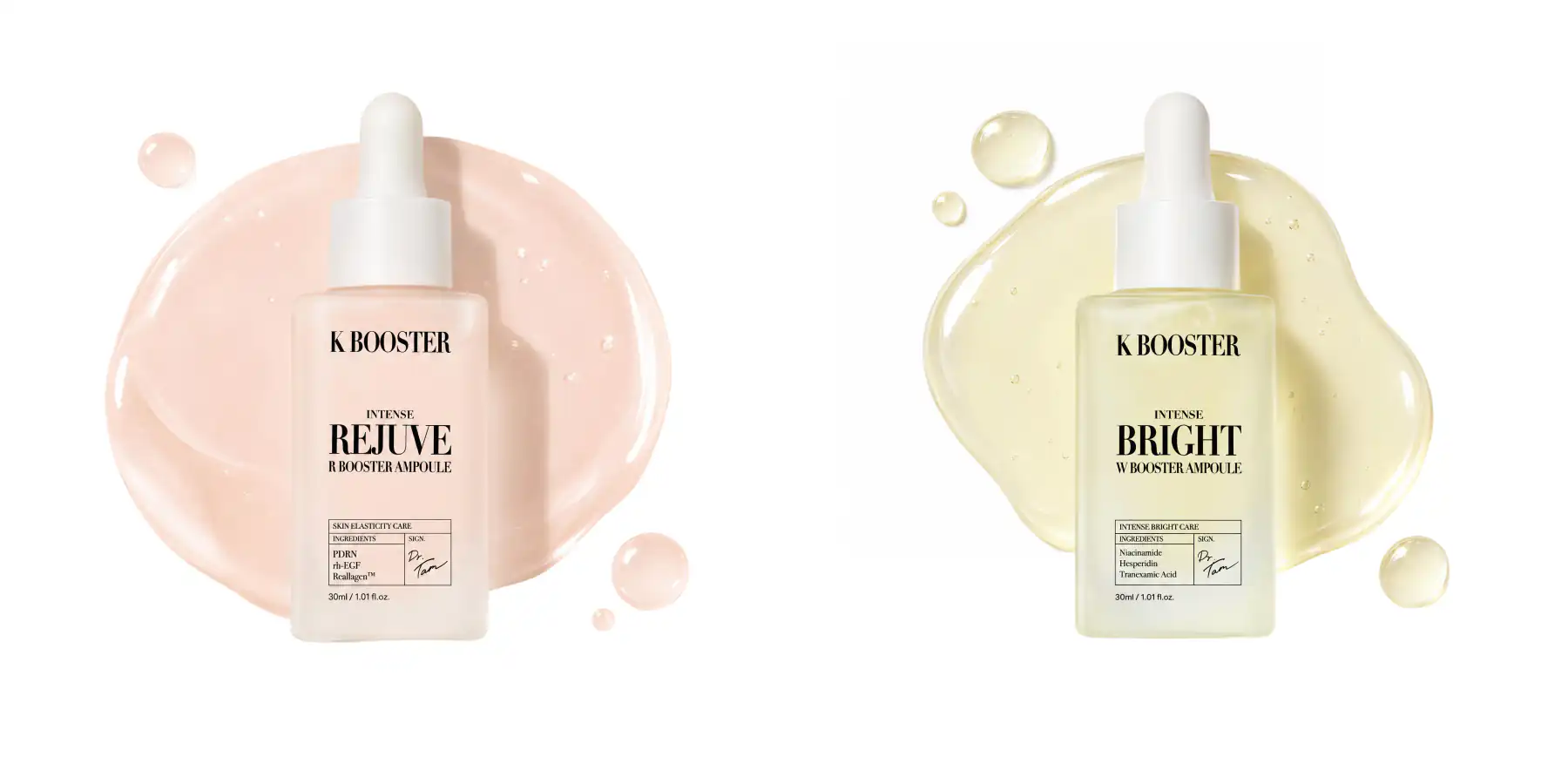
How Oneable does it
Oneable AI delivers only main images that have passed an automatic Amazon spec check for aspect ratio, resolution, margins and more. The system takes care of the specs so people can focus on staging alone. Main image variations with different click-through strategies are provided too, so you can compare which staging works best for your product.